
How to Hire an Interior Rendering Service: A Buyer's Guide for 2026
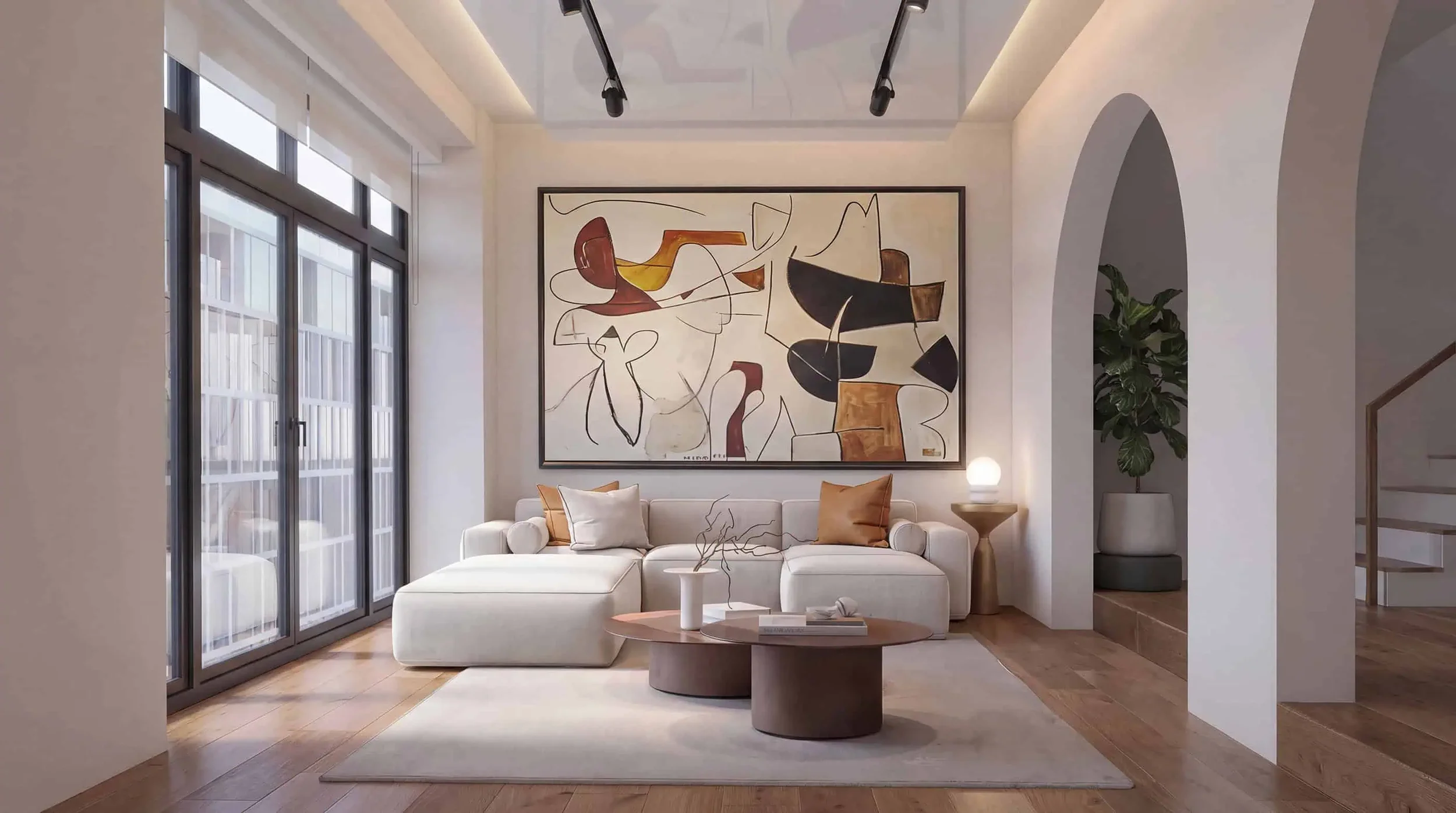
Photorealistic 3D interior rendering by Trim Render
So you're thinking about 3D interior renderings for your project.
Good call. But I bet you've got questions, right?
What's this gonna run you? How long until you actually see something? And honestly—why pay for this when you could just throw together a mood board and hope your client gets it? Most importantly: will this actually help you win more work, or is it just expensive pretty pictures that don't do much?
Those are all legit questions. Let me answer them, plus some stuff you probably haven't even considered yet.
Pretty new to this whole visualization thing? You might want to check out our Introduction to 3D Interior Design first, then come back here when you're ready to actually hire someone.
Okay So What Even IS Interior Visualization? (No Jargon Version)
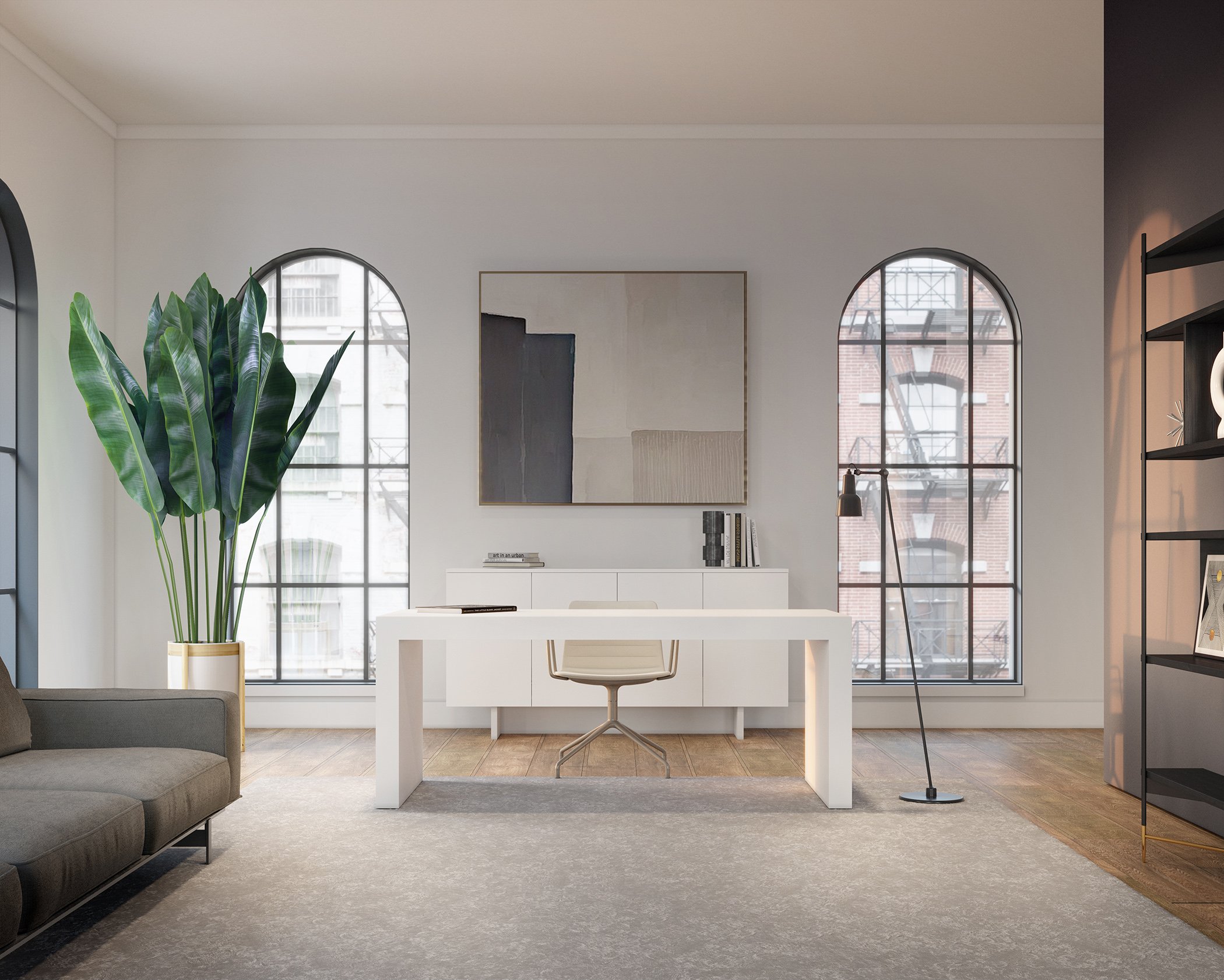
Interior visualization—people also call it 3D interior rendering, interior 3D rendering, interior design visualization, whatever—it's basically making insanely realistic pictures of interior spaces that don't exist yet.
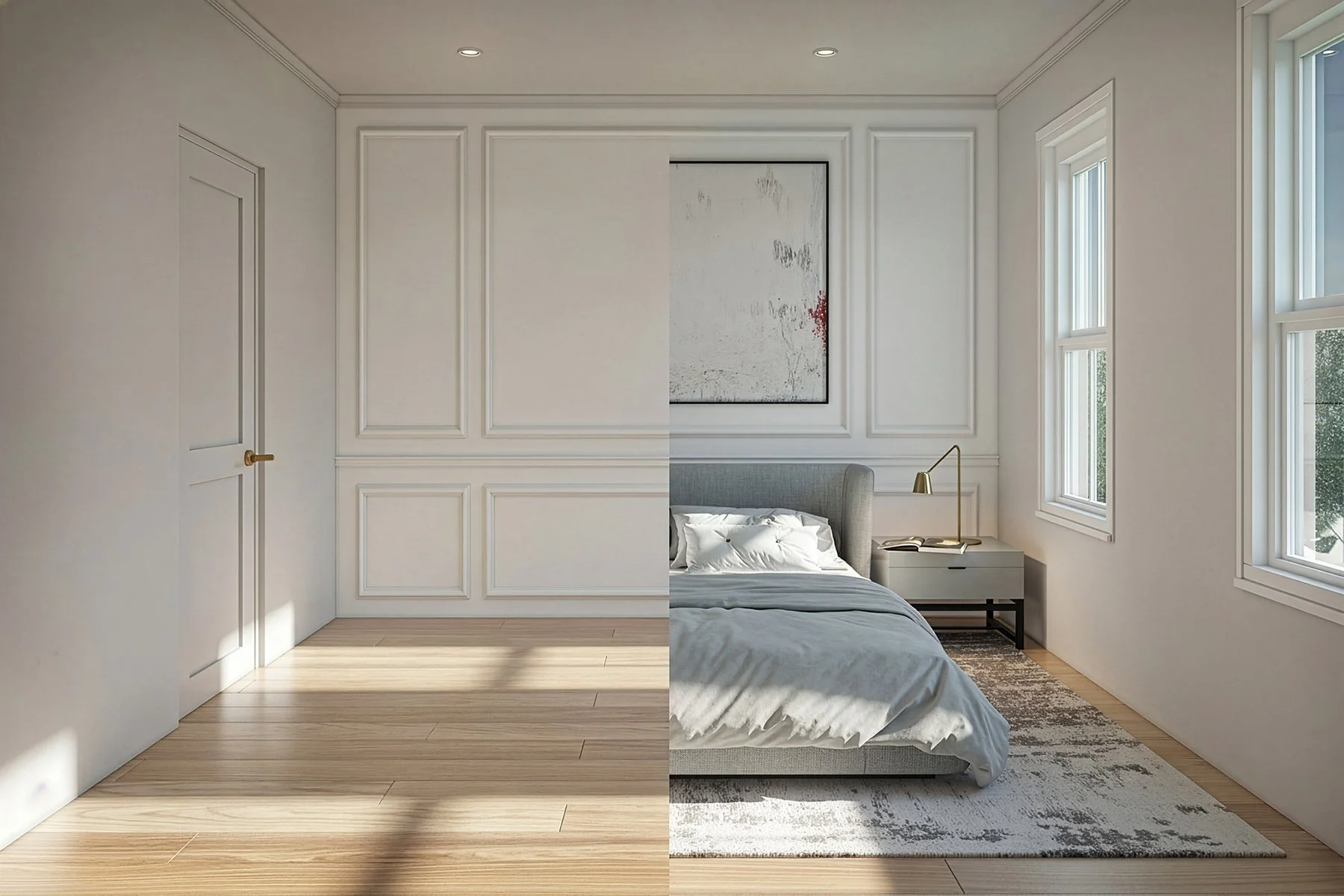
Here's how I explain it: You've got floor plans sitting there and some vision in your head. We take all that and make images that look like a pro photographer shot them. Except here's the thing—the space isn't built. The furniture isn't purchased. But your client? They can walk through everything digitally before spending one dollar on construction.
It's like time travel for interior design. See the future, decide if you like it, THEN commit.
And look, I'm not just saying this because it's our business. There's actual research on 3D visualization technology showing that when clients can see a space before it's built, they make decisions faster and feel way more confident about them. No more "oh wow this looks totally different than I imagined" conversations after all the furniture shows up.
Oh, and we throw in custom furniture modeling at no extra charge—every single piece matches exactly what you specify.
The Difference Between "Eh It's Fine" and "Wait Is That A Real Photo?"
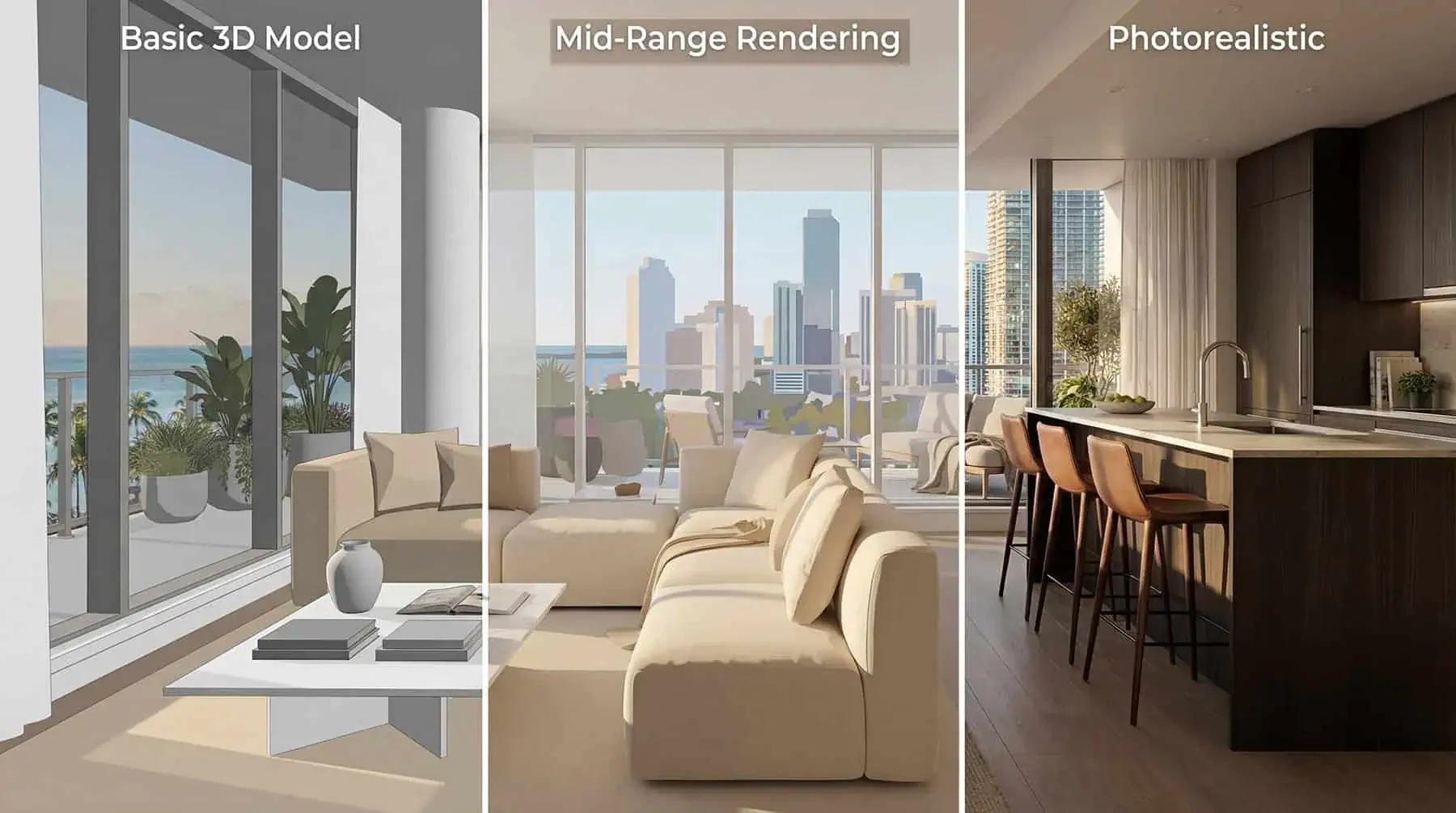
Comparison of 3D rendering quality levels
This trips people up all the time. 3D rendering isn't all the same:
Basic 3D Models — You know The Sims? Like that. Obviously computer-generated. Fine if you're an architect double-checking dimensions. Not fine if you're trying to wow a client who's about to spend $500K.
Mid-Range Rendering — Looks good. Materials look realistic enough, lighting works. Does the job for most residential projects.
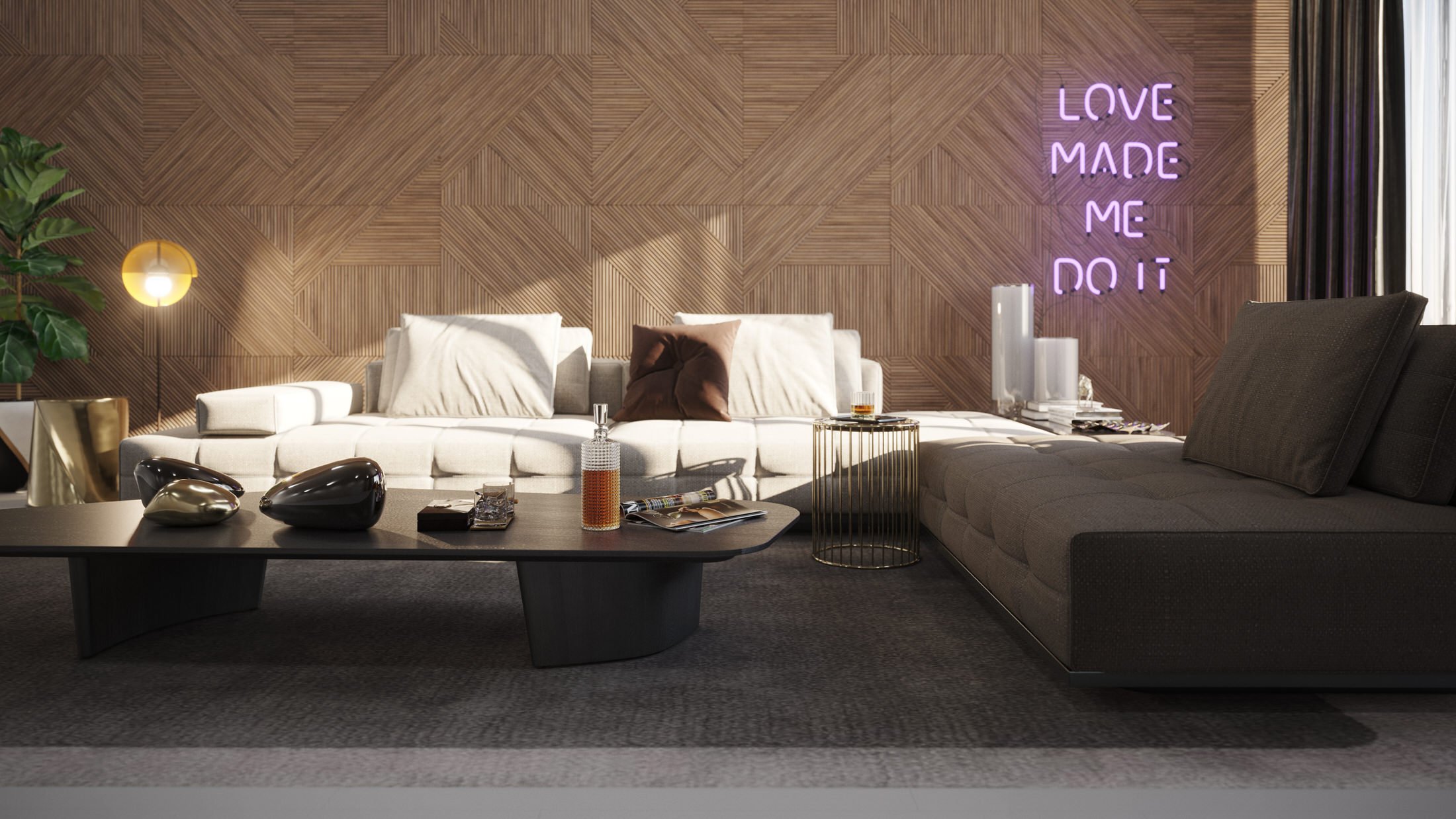
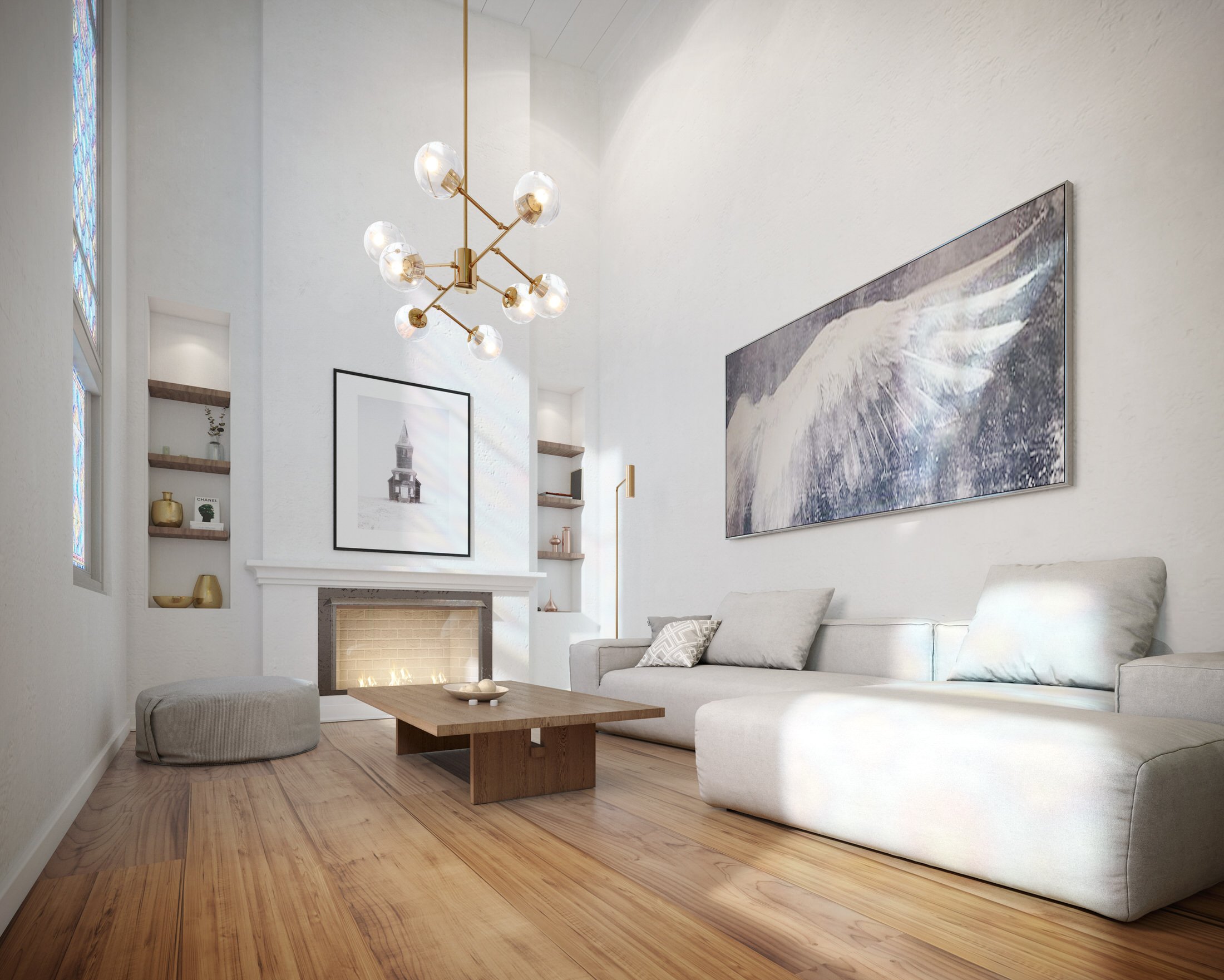
Photorealistic Rendering — This is where clients literally cannot tell if they're looking at a photo or a rendering. Every texture, every shadow, every little reflection of light hitting that marble counter? Nailed. This is what you want for high-end work.
We only do photorealistic at Trim Render. Because really—if your client can tell it's fake, what's the point?
Who Actually Needs This Stuff?
Short version: anyone trying to sell a vision of a space that doesn't exist yet.
Industry pros who've been doing this 10+ years say the ROI comes from three things: clients understand you better, they decide faster, and you win more projects because your presentations are better. It's not about pretty pictures—it's about closing deals.
Longer version:
Interior Designers — You're showing clients their $80K living room makeover. Mood boards? Cool. But renderings close deals. Clients trust you more when they can actually see what they're paying for. (We wrote this whole guide about Interior Rendering for Interior Designers if you want all the details.)
Architects — You've gotta communicate spatial relationships, material choices, lighting design to people who definitely don't read floor plans. Renderings translate all your technical stuff into something everyone gets.
Real Estate Developers — You're pre-selling condos, apartments, townhomes that are literally just a hole in the ground right now. Renderings let you start marketing 18 months before anything's done. That's 18 months of pre-sales and deposits coming in. (Check out our Real Estate 3D Rendering Guide for more about this.)
Real Estate Agents — You've got an empty listing that photographs like a sad box. Data on multifamily marketing shows digital staging turns those empty rooms into lifestyle shots people actually want—and it speeds up pre-lease sales before construction even wraps.
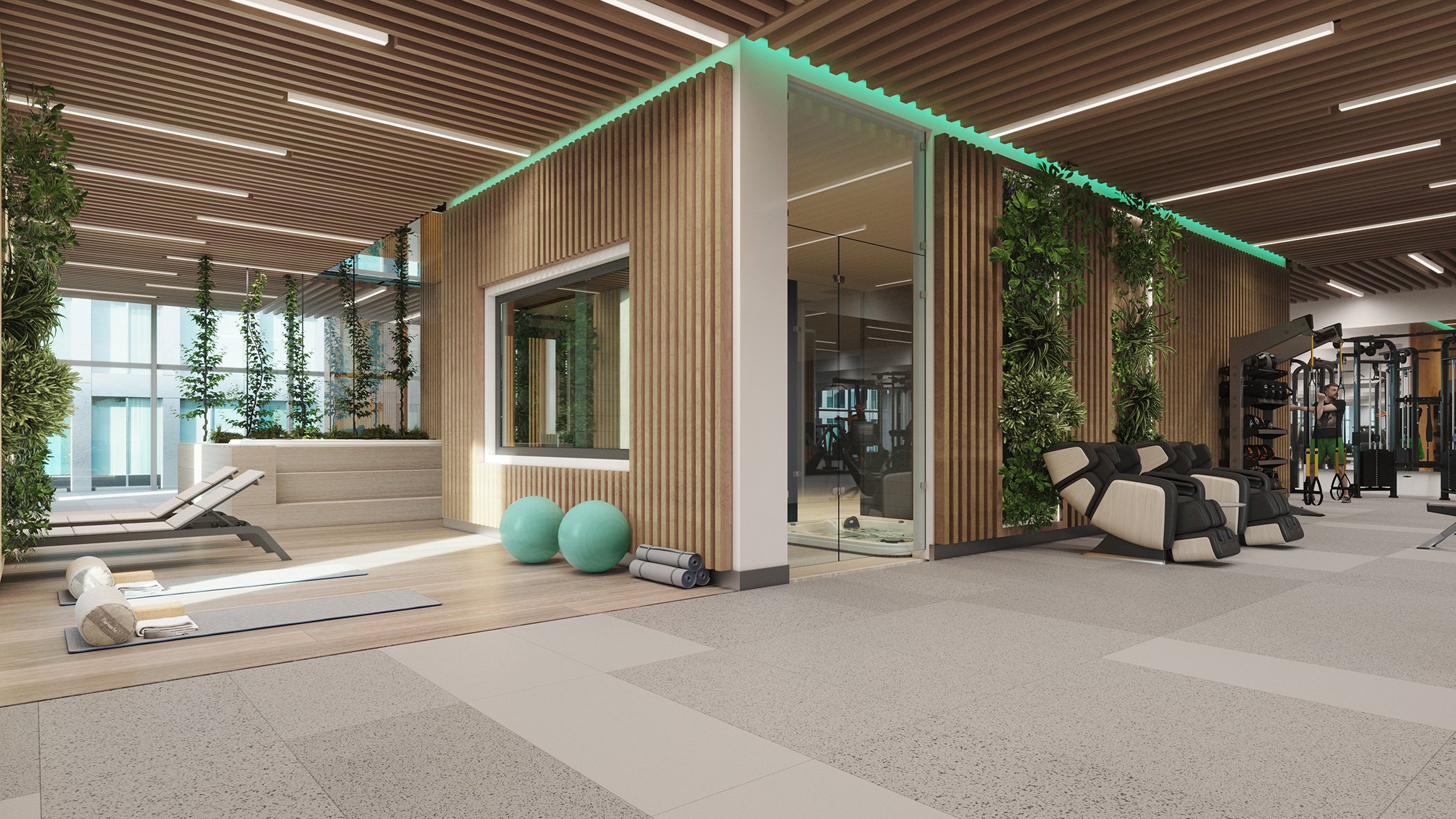
Commercial/Hospitality Designers — Hotels, restaurants, offices, retail. You're dealing with investor presentations, stakeholder approvals. Nobody signs off on a $2M restaurant build because of a sketch.


Alright What's This Gonna Cost Me?
Pricing's gone up in the last years. The 2024 3D Rendering Price Guide shows market rates averaging $700–$2,200 per photorealistic interior render now. Luxury/high-end work goes for $2,800–$9,000+ per image.
Here's what we charge—competitive pricing while still delivering that same photorealistic quality competitors want $1,000+ for:
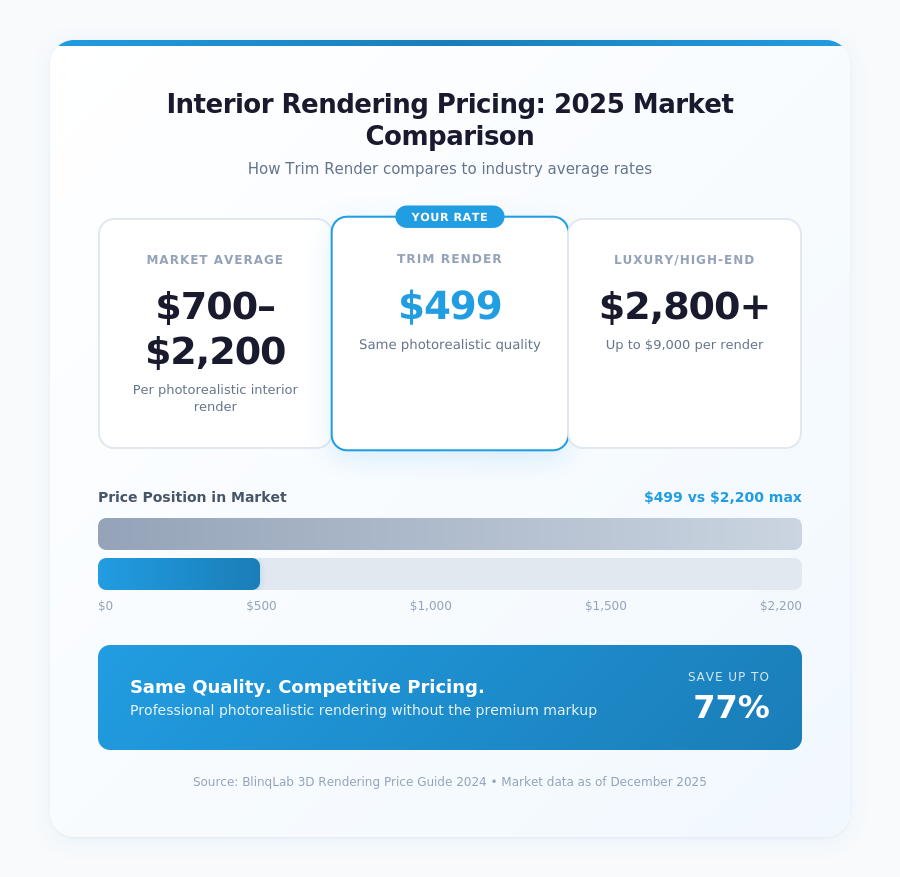
PRICING INFOGRAPHIC
Single Room Interior Rendering: $499 (you get 2-day first draft, 2 revision rounds, custom furniture modeling)
Volume Discounts: 2 renderings = $899 | 3 = $1,199 | 4 = $1,499
Commercial Spaces: $800-2,000+ (depends on size and how complex it gets)
Rush Projects: We can do 24-hour turnaround (costs extra though)
Red flags you should watch for:
Someone charging $100-200 for photorealistic interior rendering? They're either outsourcing to some content farm, using AI-only workflows without quality control, or they're gonna hit you with surprise fees later.
Someone charging $3,000+ for one residential room without explaining why? Ask them what you're actually paying for. That pricing makes sense for luxury projects with tons of custom modeling—not a standard living room.
The ROI Makes Sense (Here's The Actual Math)
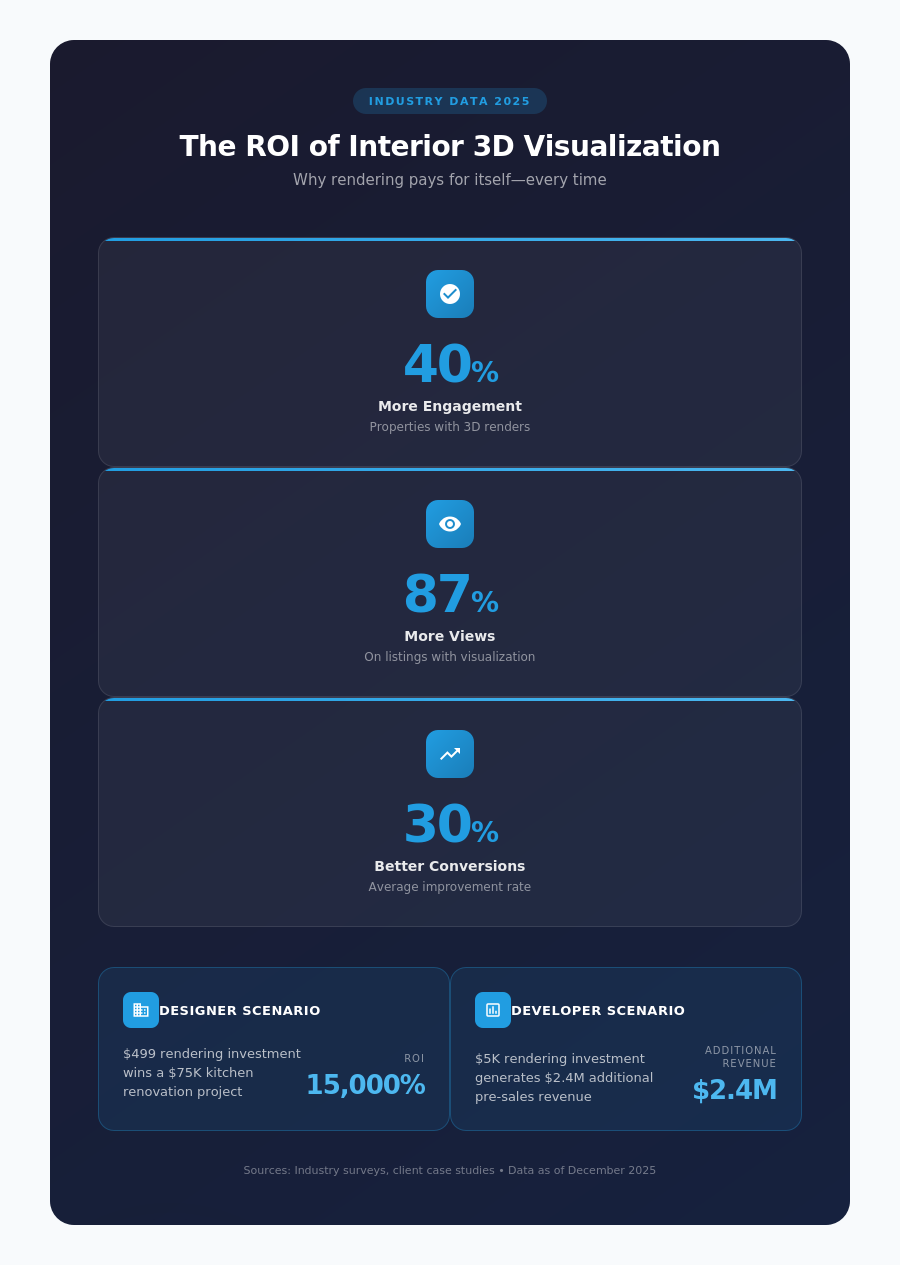
ROI STATS INFOGRAPHIC
Data shows properties with 3D renders get 40% more engagement and up to 87% more views. Our clients see 30% better conversion rates on average. Here's why the numbers work:
Scenario 1 — Interior Designer:
You're competing for a $75,000 kitchen reno. You've probably got a 50/50 shot at winning.
Option A: Show mood boards and samples. Client gets nervous, picks another firm. You get: $0
Option B: Drop $499 on a Trim Render visualization. Client sees exactly what they're getting, signs right away. You get: $75,000 project, $499 investment = 15,000% ROI
Scenario 2 — Real Estate Developer:
You're selling 10 condos at $600,000 each.
Option A: Wait till construction's done to market. You sell 2 units before completion. Early revenue: $1.2M
Option B: Spend $5,000 on interior renderings for all 10 units. Pre-sell 6 units before you even break ground. Early revenue: $3.6M from a $5,000 investment = $2.4M extra early revenue
This isn't made up by the way. Real estate pros consistently say that buyers looking at 2D floor plans stay uncertain—but 3D visualizations fix that and speed up decisions. Do your own math.
What You Should Look For When You're Shopping Around
Not all rendering services are the same. Here's what separates pros from amateurs:
Portfolio Quality
Look at what they've done. Does it look like real photography or like a video game? Watch the lighting (natural looking?), materials (can you tell marble vs. granite vs. quartz?), composition (angles that make sense?). If their portfolio makes you want to zoom in and look around, good sign.
Turnaround Time
"Fast" means different stuff to different companies. Industry standard right now is 3–4 days for first drafts. We do first drafts in 2 days—actually faster than most.
Our typical timeline:
Single room: 2 days first draft, 5-7 days final
Multi-room apartment (3-5 rooms): 3-4 days first draft, 7-10 days final
Commercial space: 4-5 days first draft, 10-14 days final
Rush projects: Ask about 24-hour turnaround (extra fee)
Want all the details? Check our Interior Rendering Process & Timeline guide.
Revision Policy
How many revisions do you get? What counts as a "revision" vs. a whole "new rendering"? Get this clear upfront so there's no arguing later. We give you 2 revision rounds with every project—adjust materials, furniture, lighting, whatever before final delivery.
Communication Style
Do they answer in hours or days? Do they ask questions or just start working and hope they guess right? The best companies want to understand your project, your audience, your goals before they even open their software.
This isn't just us saying this—professional orgs like ASLA emphasize that good 3D workflows start with clear communication. We usually respond within a few hours (unless we're slammed with a deadline, then by end of day).
Custom Furniture Capability
If you're an interior designer with specific pieces picked out, can they model your exact selections? Or do they just grab generic library stuff that "looks kinda similar"? For client presentations, accuracy matters. Send us product links or model numbers—Herman Miller chairs, West Elm sofas, whatever—and we'll model them exactly. Custom furniture modeling's included, no extra charge.
Questions People Always Have
"Can't I Just Use AI Image Generators?"
You could try. Midjourney, DALL-E—they make nice-looking interior pictures. But they can't: keep dimensions accurate, use your actual floor plan, show your specific furniture, make multiple views of the same space that match, or do precise edits ("move that sofa 6 inches left").
AI's great for inspiration, mood boards. Not great for "this is exactly what your $500K reno will look like."
"How Do I Know Dimensions Will Be Right?"
We build straight from your floor plans. Plans say 14' x 16' with 9' ceilings? That's exactly what we model. The rendering shows accurate furniture fit, actual floor space, correct ceiling height, everything.
This is why pros need real floor plans, not "make something like this Pinterest pic."
"What If I Don't Have Floor Plans?"
We work with sketches, measurements, even photos of existing spaces for renovations. More info you give us, more accurate we can be. But we've started projects with literally "here's a photo of an empty room and dimensions I measured with a tape measure."
"Can You Match My Exact Furniture?"
Yep. Send us product links, model numbers, photos of pieces you picked. We'll model them specifically. Really important for interior designers showing clients exact pieces. Custom furniture modeling's included—no extra charge.
"What File Formats Do I Get?"
You get:
High-res JPEGs (6K resolution, prints large format fine)
Web-optimized JPEGs (websites, social media, emails)
PNGs with transparent backgrounds (if you need to drop them into other images)
Source files on request
"Can I Get Revisions After Final?"
Yeah but we charge for those separately after your included rounds. Small changes (wall color) might be $50-100. Big changes (swap all the furniture) gets closer to pricing a new rendering.
This is why we include 2 revision rounds—get it perfect before final delivery.
"You Work With International Clients?"
Absolutely. We've done projects for people in US, UK, Germany, all over Europe. Everything's remote—you upload files, we send renderings. Doesn't matter where you are. We talk in English and German. Price in USD. Take wire transfers and PayPal.
Why This Matters More In 2026 Than Ever
Real talk: The bar keeps going up. Ten years ago? Hand sketches and material samples worked fine. Five years ago? Basic 3D models were okay.
Now? Competition's showing up with photorealistic renderings, VR tours, interactive 3D models. An analysis of 112 peer-reviewed studies (Journal of Computational Design and Engineering, Vol. 12, Issue 4) found game engines like Unreal Engine and Unity 3D are now standard in architecture—real-time client presentations, design viz, construction sims. This isn't new tech anymore. It's mainstream.
The 2025 CGarchitect survey from last year says 56% of visualization pros now use AI tools alongside traditional rendering for better photorealism and faster work. Still showing up with sketches and Pinterest boards? You're bringing a knife to a gunfight.
But it's not just competition. It's client expectations. ASLA's coverage of design technology shows how presentation standards have changed big time. People watch HGTV, browse design Instagram constantly. They expect to SEE what they're getting. They don't want to imagine—they want you to show them.
Good news though: Getting started with pro interior visualization is easier and cheaper than ever. At Trim Render we built our process specifically for designers, architects, developers who haven't used rendering services before. You send floor plans. We send images that look like photos of a space that doesn't exist yet. That's it.
Ready To Try This For Your Next Project?
Whether you're a designer sick of uncertain clients, an architect who needs to explain complex spatial stuff, or a developer wanting to start pre-sales earlier—interior 3D visualization fixes real business problems.
Start simple:
Pick one project coming up where visualization would help
Send us floor plans and basic info
See what we make
Decide if it's worth using for future stuff
We'll quote you within 24 hours. No sales calls, no discovery meetings. Just honest pricing and real timelines.
Get Your Free Quote → trimrender.com/interior-renderings
Call: (786) 327-6474
Email: info@trimrender.com
P.S. Firms winning projects over you probably aren't better designers. They just present better. Fix that with quality visualization and watch what happens to your close rate.
Trim Render LLC – Making interior spaces look photorealistic before they exist. Working with designers, developers, real estate pros who need better visuals to close more deals.
Related articles: